
Understanding the Statement: National Security Is Non-Negotiable
When a parliamentary secretary declared that national security is non-negotiable in response to recent strikes in Afghanistan, the statement went beyond rhetoric. It signaled a firm stance on sovereignty, cross-border threats, and the prioritization of counterterrorism operations. The declaration resonates internationally because it intersects with Article 51 of the UN Charter, the self-defense doctrine, and broader geopolitical signaling.
In practical terms, the phrase communicates that threats to territorial integrity, militant activity, or destabilizing actions will be addressed decisively. For governments, this statement serves both domestic and international audiences, reinforcing military resolve, policy consistency, and credibility in foreign relations.
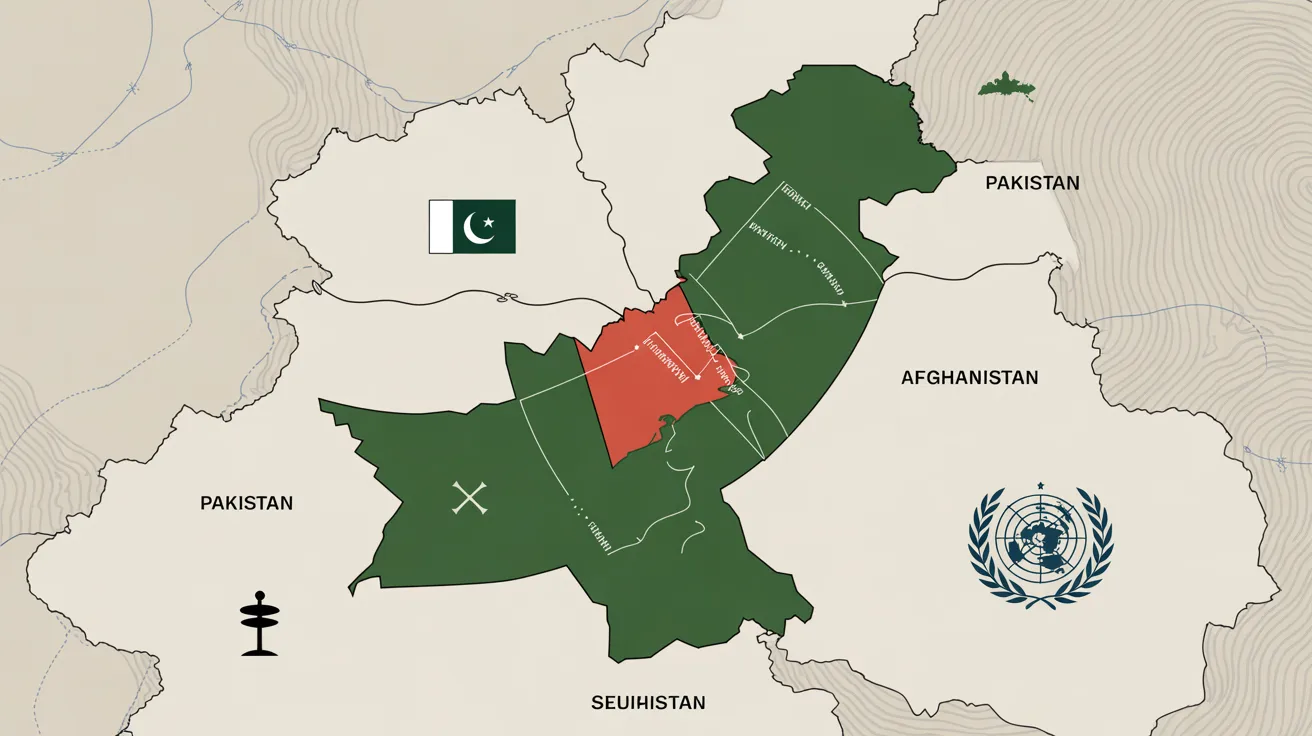
Background: Afghanistan Strikes Context
Cross-border operations in Afghanistan have been part of a long-standing security concern in South Asia. Persistent militant activities and the use of Afghan border areas as safe havens for non-state actors have prompted responsive actions. Historically, the Durand Line has been a site of tension, with periodic spikes in conflict prompting political and military responses.
The recent strikes, as cited by the parliamentary secretary, were aimed at neutralizing imminent threats. Intelligence reports suggest that militant groups operating along the border had planned operations that could compromise security within neighboring regions. These measures were framed as preventive, proportional, and necessary under international law frameworks.
Legal Framework for Cross-Border Strikes
Cross-border military actions require a delicate legal foundation. Central principles include:
Article 51 – UN Charter: Recognizes a state’s inherent right to self-defense if an armed attack occurs. Requires immediacy and proportionality in response.
State Responsibility Doctrine: Holds host countries accountable if they are unable or unwilling to prevent attacks from their territory.
Counterterrorism Mandates: International conventions encourage preemptive action against non-state actors threatening civilian or military targets.
Key legal considerations emphasize proportionality, necessity, and credible intelligence. Strikes must neutralize threats without exceeding the required force. This framework allows governments to act decisively while remaining aligned with international law, reducing accusations of sovereignty violation or illegal aggression.
Strategic Objectives of Security Operations
Deterrence: Signals to militants that cross-border threats are unacceptable.
Neutralization: Disrupts planned attacks and dismantles militant networks.
Political Messaging: Demonstrates domestic resolve and international seriousness.
Border Security: Reinforces territorial integrity along conflict-prone regions.
These operations are part of a broader security policy in South Asia, designed to maintain stability, enforce national sovereignty, and minimize civilian risk.
Regional Impact: Pakistan–Afghanistan Relations
Cross-border strikes inevitably affect bilateral relations.
Diplomatic Strain: Potential protests and calls for international mediation.
Military Posturing: Increased surveillance and defensive measures along the border.
Trade and Mobility: Temporary disruptions may affect trade routes and civilian movement.
Security Cooperation: Events sometimes accelerate joint intelligence sharing or peace talks.
While tensions may rise temporarily, consistent engagement and adherence to international law help mitigate long-term destabilization risks.
International Law and Sovereignty Considerations
A country’s right to defend itself is balanced against the principles of sovereignty and non-intervention. The key principles include:
Territorial Integrity: Respect for borders unless imminent threat exists.
Non-Intervention: Prevents states from using another country’s territory for unilateral military operations.
Proportionality & Necessity: Ensures that any action is measured and legally justified.
Failure to adhere can result in diplomatic censure, UN scrutiny, or international isolation. International law provides guidance but leaves room for strategic interpretation, especially regarding cross-border counterterrorism measures.
Decision Framework for Cross-Border Military Actions
Governments typically follow a structured process to ensure legality and strategic effectiveness:
Threat Assessment: Verify imminent danger through intelligence and evaluate non-state actors’ capabilities.
Host Nation Evaluation: Determine willingness and capacity of the host country to act, assessing historical cooperation and diplomatic channels.
Proportionality Review: Confirm that the response neutralizes threats without excess and minimizes civilian casualties.
Diplomatic Risk Assessment: Forecast potential international reaction and prepare for media scrutiny and multilateral discussions.
Public Messaging Strategy: Ensure clarity in government statements addressing domestic audience and international stakeholders.
This procedural approach supports both legal defensibility and operational efficiency.
Risks, Consequences, and Strategic Trade-Offs
Pros: Rapid threat neutralization, strong deterrence message, boost in domestic confidence.
Cons: Diplomatic friction with neighboring countries, potential escalation into broader conflict, international legal challenges, civilian impact if miscalculated.
Balancing these factors is essential for long-term regional stability.
Political and Media Messaging
Statements like “national security is non-negotiable” serve multiple purposes:
Domestic reassurance: Citizens are informed that the government prioritizes security.
International signaling: Communicates seriousness to allies and adversaries alike.
Military morale: Reinforces troop confidence and operational legitimacy.
Media framing amplifies impact, often highlighting either the defensive necessity or the potential for escalation, shaping public perception.
Historical and Comparative Precedents
Past cross-border operations provide context for legitimacy and strategic lessons:
US operations in Afghanistan (2001–2021): Demonstrated procedural adherence to intelligence and proportionality.
India–Pakistan border actions: Highlighted diplomatic mediation alongside targeted strikes.
Israel’s counterterrorism measures: Showcase legal justification and precise operational conduct.
Comparisons help understand risk-benefit balances, escalation control, and international law adherence.
Regional Security Outlook
Looking ahead, the strikes are likely to influence:
Bilateral negotiations: Renewed attention to border management and militant containment.
Multilateral involvement: Potential UN or international monitoring.
Policy modeling: Strengthening counterterrorism laws and intelligence-sharing mechanisms.
Conflict prevention: Escalation cycles may be mitigated through proactive diplomacy.
A nuanced understanding ensures global audiences appreciate both operational rationale and geopolitical sensitivities.
People Also Ask (FAQs)
What does “national security is non-negotiable” mean?
It signifies that the state prioritizes defense and sovereignty, committing to decisive action against threats.
Are cross-border strikes legal?
Yes, under Article 51 of the UN Charter, if self-defense is necessary and proportional.
Why did the strikes in Afghanistan occur?
They targeted imminent threats from non-state actors operating along border regions to prevent attacks within the country.
Could this escalate into war?
Escalation risk exists but depends on diplomatic engagement, proportional response, and regional alliances.
What is proportional response in military action?
It is a measured action that neutralizes threats without excessive force or civilian harm.
Who decides when to conduct a cross-border strike?
National security agencies, military leadership, and political decision-makers, based on credible intelligence and legal review.
How do these strikes affect regional relations?
They can strain diplomacy temporarily but may also reinforce joint security mechanisms if managed carefully.
Can the UN intervene in such operations?
The UN monitors compliance with international law and can engage diplomatically but generally respects self-defense claims.
What is state responsibility in international law?
States are responsible if they fail to prevent their territory from being used for attacks by non-state actors.
Conclusion
The parliamentary secretary’s declaration underscores a non-negotiable approach to national security, combining legal justification, strategic clarity, and diplomatic signaling. Cross-border strikes, when guided by proportionality, necessity, and intelligence, serve as both a deterrent and a mechanism for protecting sovereignty.
For readers and analysts, the key takeaway is that security operations are multidimensional, impacting diplomacy, law, regional stability, and public perception. Understanding these dynamics through structured frameworks and historical precedent allows stakeholders to interpret events with nuance and clarity, avoiding misinformation and oversimplification.


Comments (0)
Leave a Comment
No comments yet. Be the first to comment!